SOUNDS ACCURATE: A BLACKLINE PODCAST
EP5: The Future of Finance: Accenture CFO Reveals What’s Coming
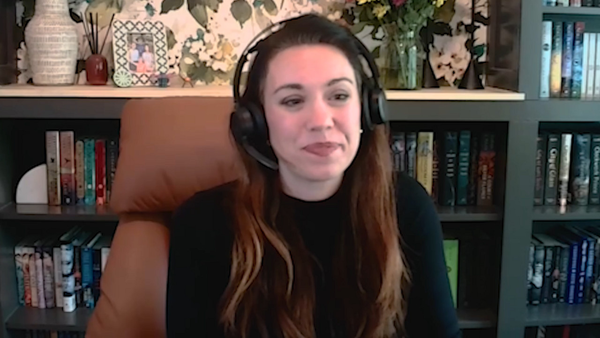
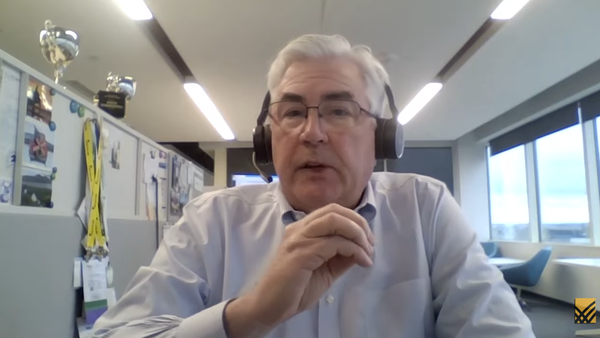
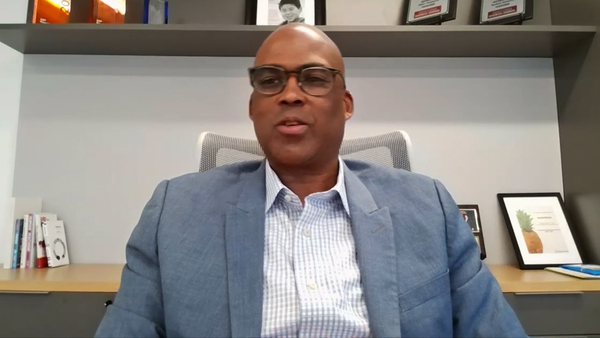
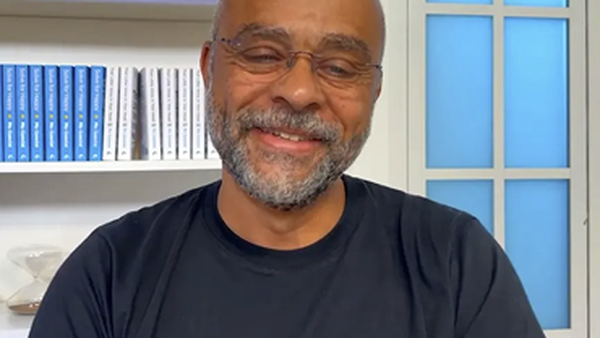
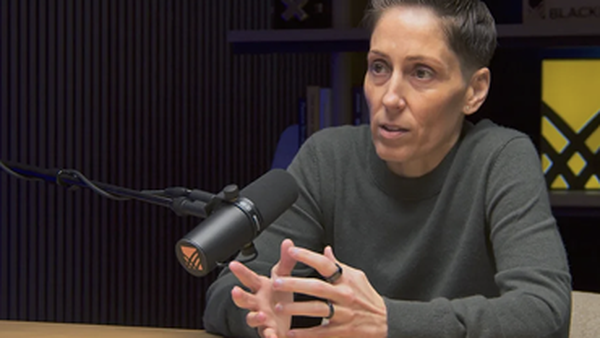
Join Emily Campbell (CMO, BlackLine) and Craig Richey (CFO, Accenture, Americas) for a masterclass in moving finance from a back-office cost center to a front-office strategic partner.
While many leaders are chasing the AI hype, Craig argues that true transformation starts with people. This episode reveals how to build a world-class finance organization by investing in the teams, talent, and ways of working that will define the next era of the enterprise.
Expect insider insights you won’t find anywhere else:
From Back Office to Front Office: The practical steps to shift finance from historical reporting to future-focused strategy.
The “Human + Agent” Model: How to prepare your team for a future where people and AI work in tandem.
Value-Driven Transformation: Why every initiative, especially AI, must start and end with delivering measurable value.
The New Talent Profile: The “techno-functional” skills and creative problem-solving mindset every finance professional needs now.
Don’t miss this essential guide to leading a people-centric transformation that drives real business results.
Emily (00:07):
Today we're sitting down with Craig Richie, Senior Managing Director and Chief Financial Officer at Accenture for the Americas. Craig's career has spanned some pretty massive moments of change, both personally and inside the finance organizations he's led. But what I find really interesting about his perspective is how much it centers on people. He talks a lot about finance moving beyond just reporting the past and becoming a true partner for the business, not through more processes or tools for the sake of it, but through better teams, better talent, and better ways of working. Craig, I'm really excited to dig into that with you today. Welcome to the show.
Craig (00:46):
Thank you so much and super excited to be here.
Emily (00:49):
Excellent. Well, before we dive into the deep end, we love to start our conversations with a quick check-in. So what's one thing that's exciting you or capturing your attention right now?
Craig (01:00):
I mean, I think that when you look at just number one in the space that we work, it's probably one of the hottest times ever to be in finance and the amount of transformation. When you look at our clients, I mean, just the volume of the types of questions, how do you look at building the organization in the future, the talent, the future, and solving some of the most complex, I'll call it, financial opportunities as they serve their clients. It's something where I've never seen this much opportunity in a long time.
Emily (01:30):
Opportunity, risk, lots of challenges. It's all kind of coming together right now in a perfect storm of challenges. So you yourself have had a really remarkable journey. You went from studying political science, playing baseball, and now you are the CFO at Accenture for the Americas. I mean, huge, huge role. Can you walk us through a little bit about your path, where you came from, how you got to where you're going, and some of your personal philosophy around that?
Craig (02:02):
Sure. Thank you. For the question, it's always difficult to walk back and look at your journey. My father is always about when you're going to do something, just do it really well. And to do it really well, you have to put in a lot of practice. So I think that's something that to this day is true to form for me. I'm one of those people that I don't tell others to do things that I won't do. And I think the second thing is I'm always continuously practicing and learning. You talked about political science. Yes. I mean, political sciences, my background also got a master's in public finance, so that's kind of the transition to finance. I actually got this urgent internship working with the mayor in Chicago. They're looking at how all these funding problems and opportunities and how you look at solve some of these, I'll call it meaty issues that they had to deal with in a world of limited funding.
(02:59):
The one thing I remember in one of the meetings, the mayor was like, "You're a smart kind of guy from college, but you got to understand the organization, how do you deal with people? " So you can go through and look at a problem and you can look at mathematically and it all makes sense, but the reality is the art of it is how do you make sure you're pitching that in the way of the mind of the people that are actually receiving it? And that's just not something that they teach you in college at all. It's really kind of routine and solve the problem, take the test. But when you're dealing with clients or you're in this situation dealing with all the different stakeholders, you really have to understand the organization, the people, and how do you shape that problem in a way that you can get to success.
(03:45):
And what you find out, that takes a lot of work. And it's not about you being right or wrong. It's about taking the work and take the, I'll call it the client or the people along a journey that they're with you versus kind of questioning you.
Emily (04:00):
I think that that is something that's so compelling because framing your problem in a way that people understand it, helping people understand what the goals are without just a bunch of numbers on a page, I think that connects with people on a very emotional level and helps them understand and buy into the goals that you're trying to accomplish. So congratulations on an amazing journey. I think that's awesome. One of the things that you've spoken about is how you're attempting to move finance from being a back office function to more of a front office function and a strategic advisory function. But what does that transformation actually look like in practice? How do you keep your team or how do you move your team from being guardians of historical data to being architects for the future of the enterprise?
Craig (04:49):
That's a great question. And I even look at that question today, it's evolved a lot even over the last couple years as we think about AI and Agentix, and I think that will continually evolve. I think there's a couple things. When we think about, I call it my verbiage, back office of the front office. It's really about really how do you build out the digital core at a client? And so you think about that's the SAP and Oracles of the world from a core standpoint. Obviously Black Client has a critical role within that as well, but you really have to get to better standard processes, which obviously involves data, finances, data and how you quickly get to a better, clear core that you can actually get to some of the work around the, I'll call it the analysis part of it, which is really solving the business problems of the client.
(05:43):
And I think we're just seeing a lot of acceleration in terms of, I'll call it the speed that clients want to get to, less of the reconciliation, less of the data quality and all that sort of stuff. And then moving it more towards how do we get to that digital core that's clear that will now allow them to do the decision making and the analysis where you can actually make an impact in whatever product or service that your clients is involving. And I think to close out on that point, it's super important because when you look at today, we see it just in the world, there's this influx of information that's just coming at us as humans so rapidly and we're asked to kind of address questions quickly. The office of the CFO is being asked to just answer questions very rapidly quickly. And these are not small problems and decisions.
(06:40):
They're basically problems that move the needle either in terms of what's the right cost shape in terms of what they sell or where do they want to invest in a market or invest in a product. So it's just so fascinating in terms of speed in terms of where that's going. And then the second question you asked a little bit is in terms of how do you get the organization or your team to kind of go along with that? It's very much focused on how do you come up with that right vision? Everybody wants to get to the nooks and crannies of the detail, and how do we solve the problems at a detail level, but it's really important to understand where you're going before you start to define how you get there. And that takes a lot of time in terms of how do you work with only my teams that I work with or a client, but you really have to set that vision upfront.
(07:41):
And I think the last thing I'll close on is that the first thing we start at Accenture and we think about reinvention because we're really looking at what the future of an organization and in my world, what finance looks like. I'll say one thing, it starts with value and it ends with value. So when you think about that transformation, you really have to take up a value lens because when people understand the value that you're trying to deliver, then that helps people to follow along in, okay, this is what's the path to get there. And then the last piece is, we hold ourself accountable at Accenture, what is the value delivered? How do we track that? How do we measure it? Because that value component is really how it's going to drive the change because when people see that, they start to follow through and
Emily (08:33):
Go with that. I really appreciate the insight. I think it's critical, especially certainly when you talk about the consulting world, thinking about that value transformation, the value delivery is so important. But just in general, in businesses today, so many of them are facing this imperative to bring AI into their businesses, into their infrastructure. And sometimes that value equation gets a little bit lost. It's like, "Okay, I'm using AI, but what is it actually helping me do? What is it helping me deliver?" And I think that's where we can't get sucked into the hype of AI for AI's sake. It has to be really grounded in the value piece and understanding people, process, technology, how those things all work together. And it's not just technology for technology's
Craig (09:25):
Sake. It's a timely question. And obviously we see in the marketplace right now, there's a lot of, I'll call it questions out there in terms of the hype around AI and all the investment, but the question is, when does the value come through on that? And I'm a big believer of that the value is 100% there. It's going to be a journey. When I brought up the digital core, you have to get those things right before you can start to put on Agentic and get to, I'll call the ultimate value. So if I talk to my clients, it's someone on the board said, "What are you doing with AI?" And then it trickles down and like everybody's running like, "Okay, how we address it? What are we going to do? " There's, I'll call it a lot of emphasis in, and I'm not going to say pressure, but making sure that our clients are thinking about it, which is creating a lot of action at our clients in terms of what are we doing, which is a positive thing because there's a lot of power around using AI and specifically in finance and then obviously thinking of Agentic about how that's going to help them towards the future, but also there is a, what's the pace and how you're going to get to the true value.
(10:44):
In the baseball term, we're in the beginning innings. We're in the beginning innings of that conversation. But I will say that at Accenture, we're really focused on innovating and I'll call it looking at not about the past and tomorrow, but how are we reinventing our clients from an Indians perspective and making sure that they're fit for purpose for the future. So we're betting on it, we're invested in it, as well as BlackClient is investing in it. So now it's like, how do we put that really in action over these next innings as we go forth?
Emily (11:20):
Yeah, I think you're right. I mean, I think we are still a little bit early days in AI, especially when you think about Agentic AI and how it relates to the Office of the CFO and everything that we're doing. One of the things that we've talked a lot about at BlackLine is that we believe that AI should be an enabler for the human in the loop process, but where you take a lot of the manual repetitive functions out of the day-to-day tasks for an accountant or a finance person, and you really allow them to up-level and focus on things that are more strategic, things that have a bigger impact on the overall business and really make the business run more efficiently. So that takes us kind of to this people topic that I think you are very well known for is your ability to guide, mentor, lead people.
(12:14):
I think that people are really struggling right now with how this change is going to impact them. Is it going to mean changes in their roles, et cetera? But how do you think about, when you think about the people part of a transformation, the process part of a transformation, what are some of the biggest struggles that you're finding today and how do you think people should be addressing or thinking about transformation as it relates to people?
Craig (12:39):
The only reason why I've had whatever success I've had is around people, right? And it's the people that have been in the trenches to an apprenticeship model the same way that others did for me that I'm doing with them and so forth. So I think that apprenticeship model is very important. And I think there's a lot around ... At Accenture, we have this thing called TQ, and TQ is something where we're learning all around AI and what it means, how you approach it. And all of our leaders actually have to go through this and we get tested on something comes out every month. So I think on the people side of it, in terms of the people that do the work, there's a lot of investing and training just to get people up to speed so they can actually learn to take advantage of it.
(13:32):
And that's something that we're known for. But our clients, I think it's going to be interesting because when you think about the future of in- end processes that will obviously have AI and agentic workforce a part of that, you're almost now looking at defining what are the future and skills and capabilities of an organization, which are very different than they are today. So there'll be this and equation. And so you're really going to have to help people understand, I'll call it human plus agent and what that means in a process. And there's still the same training for both of those as well as that goes forth. So that's just something that in the finance space, it's almost like you got to verify before you trust, right? So did the agent do the right thing? The same way we have it today with human. Did the human do the right thing?
(14:30):
Do you have the right controls in place? But we will have to get to a world of that humans plus agents are working and an orchestration simultaneously within finance to get there. And that's something that we are 100% focusing on defining what those skills, those capabilities and what that I'll call that plan means. And that will take a lot of work. And I think the struggle we have at times at our clients are, one, someone who's been there 20, 30 years has a different mindset than someone that's been out of school over the last 12, 18, 24 months, how they even perform work is totally different. Their ability of acceptance and wanting to use these new, I'll call this new capabilities more. We're very much a believer is that how do you merge the old and the new together to create what that future of the financial organization is?
(15:33):
And we're seeing a lot of success in that, right? And that success is we have to listen to, I'll call it the workforce and help them be part of the solution, just instead of just going, "Hey, you need to have agents, you have to have this, you got to do something differently." It's a whole kind of change management process, if that makes sense as well.
Emily (15:56):
It totally makes sense. I think we struggle with that internal at BlackLine and also within our customer base. It's how do you create the opportunity for people to get the education that they need to more fully adopt the AI that's out there without losing some of the core skillsets and capability that people who have been doing this for 20 years bring to the table and really balancing that knowledge and ingrained understanding of processes with new ways of thinking and bringing things to the table that can transform your organization. I think in many cases that goes to the core of some of the things that we talk about on this podcast, which is control versus innovation. And how do you balance those two elements in order to really make sure that you're not putting your, especially in the finance and accounting space, it's like the most important thing is to make sure that at end of the day, your information that you're submitting is correct, that you have no audit issues, et cetera, but you also want to be encouraging innovation and really allowing your teams to go fast and accelerate the rate of change while still keeping that level of control.
(17:08):
So how do you think about control versus innovation in your organization or in some of your clients and how do you balance that and make sure you're going at the right pace?
Craig (17:18):
In the world of finance, there's a fear of being inaccurate and rightfully so because the challenges that can create internally with your boss or externally, so forth. So I think we also have to think of this stuff from that lens, right? There's a reason why that this will become and continue to be a big cultural shift. I really come back to how do you engage the people in terms of the solution and the training and so forth, right? That's just super critical. And I think your question around the pace of change is a really good one. And honestly, the change is going to happen more quickly than probably people want. And I think we as leaders just have to give people the right tools and the support and build the trust that you can get to that pace of change much quicker. The clients that embrace that change and that speed, I'm a believer that those are going to have more of the leading finance organizations in the marketplace.
Emily (18:25):
Well, and even beyond the leading finance organizations, frankly, I think it really enables people to run their businesses more effectively and not only attract top talent because they're bringing in people who have the capabilities or who want to learn those kind of capabilities, but leveraging the information that comes out of these AI enabled people, I think ultimately the goal is that we're able to move the entire business faster and make better decisions organizationally across multiple departments, not just in finance and accounting, but really, again, that back office to front office shift that you spoke about, it's how do you be a strategic enabler for the rest of the organization?
Craig (19:10):
Yeah. And I should add, I mean, you brought up something that's super important and kind of getting to the concept around the back of the front office, how do you become a better business partner is what you're hitting on there. And this will provide that opportunity for you. And that's super important in terms of finance, building that relationship with the business. The second thing that is super important is a lot of the people that we speak with the organization, they don't want to ... While they're doing things that are inefficient, they don't like all these things as well, like just the inefficiency and the process and the reconciliation and all the things that they go through. All they want is us to help them move that in a way that you're trusting, it's verifiable and so forth. So it's not that they're an agent of resistance, they actually want these things to change.
(20:06):
It's like, how do we work together to make sure that we're building something that's sustainable, that both internally and externally passes muster? And I 100% agree with them. So I don't think they're as big of resistors as people think. I think it's just they see the opportunity, how do we get them through there through that change journey?
Emily (20:27):
Yeah. Yeah. I mean, I think a lot of people are really looking to AI. There's more work that's being requested of pretty much across the entire enterprise, but certainly in the finance and accounting space, things need to happen faster, closes need to happen faster. People are looking for financial information and data faster. And meanwhile, there's also this level of, you mentioned your digital core and the data that sits in that digital core, it becomes more and more important as you start using information more broadly throughout the organization that your data, your foundational data is absolutely 100% correct because as you're using that potentially for forecasting purposes, for other purposes within the enterprise, you want to make sure that that core is correct.
Craig (21:16):
The one thing is, I'll probably get a little knock at consultants for some ... There's no easy button. So we have to make sure-
Emily (21:26):
There should be an easy button.
Craig (21:28):
Yeah. Sometimes we talk about you can close autonomously in two days. So there's a lot of change that has to go with that to be successful as well.
Emily (21:38):
So tell me this. How do you think about the talent that you're bringing in both into Accenture and for your clients? Are there capabilities that you look for or even core competencies that you would say make for someone who's more aligned against the future of finance than where we've been in the past? How do you think about that and how do you help people reinvent themselves so that they can take advantage of some of these new capabilities? A
Craig (22:06):
Couple thoughts on that. Number one, our people are much more, I'll call it finance, but techno-functional. So you can't just be, you understand core finance, CPA. You also have to have that ability from a technology standpoint because most of the people within the finance organization will have to have some technology event and that will actually be even more become as we kind of grow and obviously being able to enable technology going forth. The second thing is that when we're hiring, we're looking people that are honestly creative problem solvers, getting back to a little bit, I call it my background, I never thought about this, but my ability to understand a wide connection of things and shape and solve. And then how do I use the finance capability to refine it and take it to market so that I think people that have the ability or the one to continuously learn is something that's super important because even at Accenture, our people are going to be measured on continuously learning.
(23:22):
And I think Julie always says, she's always reading something new. She's learning something else. So just people that have that financially, that need that want will be super important. And as we go through, I'll close with, as we go through kind of reinvention, one of the things that we as leaders are going to be measured on, how are we actually using the tools every day and week and how we perform our work? You can't get promoted if you're not using the future and thinking about the future if you're not using or doing it yourself. So we always want to be the, I call it the best credential and that means we have to be in it the same way our clients are in it.
Emily (24:05):
It's true really across the enterprise. And I look at it like, if I'm not using AI in my day-to-day work, how can I expect my teams to do that as well? And so really kind of bringing those pieces together is critical. Well, Craig, thank you so much. This has been a really great conversation. We typically end off our podcast with a couple of questions on our speed round. So just give me the first thing that comes to mind. What's one thing that's keeping you up at night right now?
Craig (24:37):
People's fear of AI.
Emily (24:38):
Yeah. Yeah.
Craig (24:39):
And what and loss of people thinking one word as a loss, but I look at it as an opportunity.
Emily (24:47):
What's the best piece of career advice that you've ever received?
Craig (24:50):
Be in the game because if you're not in the game, can't do anything.
Emily (24:55):
I love that. Okay. Finally, what is one skill every leader should be developing today, regardless of their function?
Craig (25:04):
Listening.
Emily (25:06):
What? I'm sorry, what did you say? I think that's a great one. It's amazing how people get so focused on what they want to say that they sometimes forget to listen to what other people are saying. So I think that that's a really great place to end here. This is absolutely fascinating. Thank you so much for sharing your insights with us.
Craig (25:26):
Thanks for the opportunity. Enjoy the conversation. And I definitely have to put a plug in for my finance folks and finance community. It's a great place to be because just the amount of transformation, opportunity and changing how companies work, it's probably one of the hottest areas to be at.
Emily (25:44):
It's amazing, right? Historically, I would've thought of finance and accounting as being a little bit more on the boring side, but with all of the innovation that's happening in the market right now, it's crazy how quickly things are evolving and how much change opportunity there actually is and so much to learn here. It's great. To our listeners, thank you for tuning into Sounds Accurate. You can follow the show on Spotify, Apple Podcast, or watch the full episodes on YouTube so you never miss a conversation. We'll see you next time.